
Share this
by Angie Buchholz on Aug 17, 2026, 12:41:15 PM
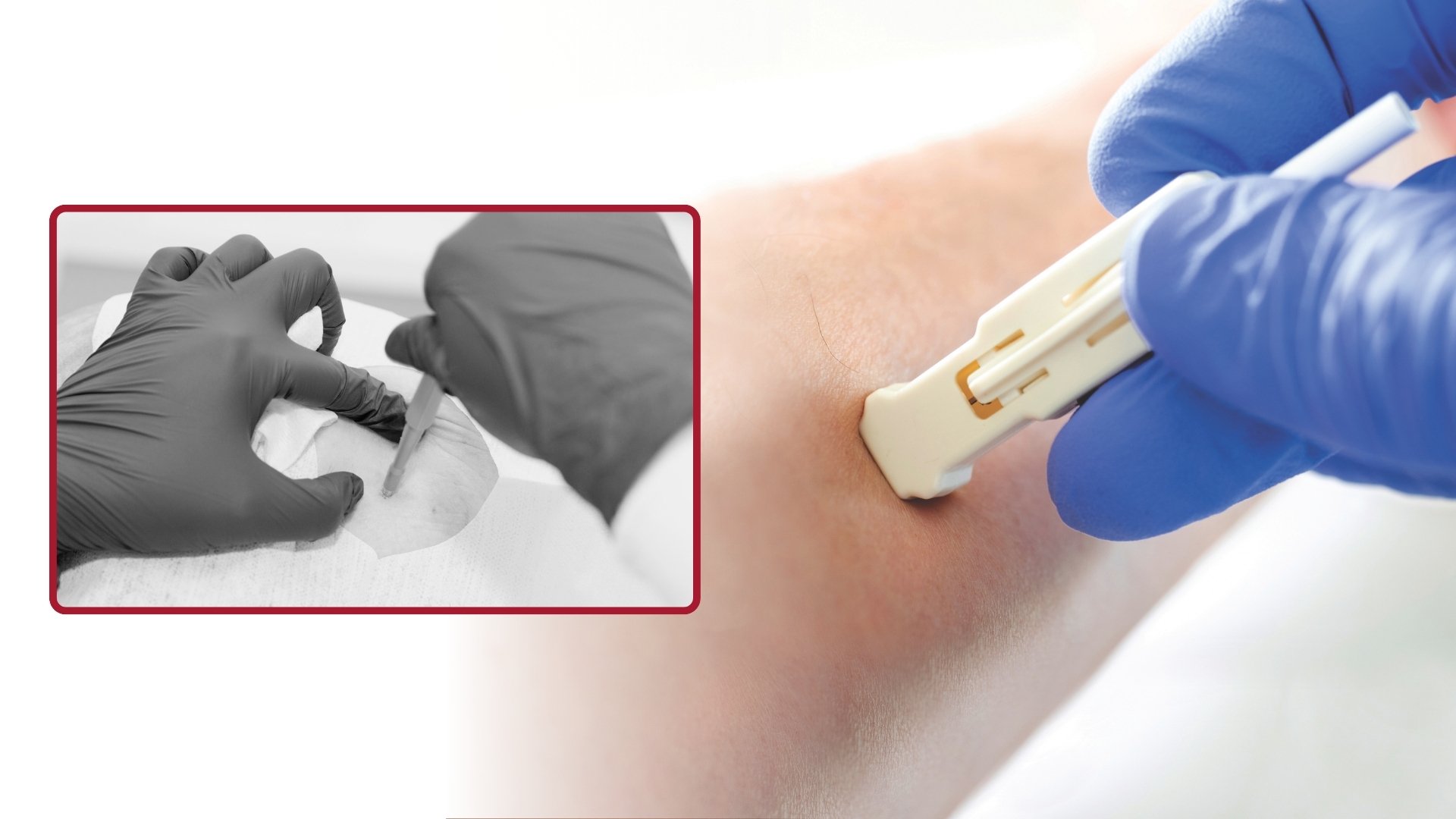
For decades, punch biopsy has been the standard approach for collecting skin tissue in dermatology research. Its ability to capture full-thickness tissue, including the epidermis, dermis, and underlying structures, has made it an essential tool for histology, pathology, and many research applications.
However, as research continues to evolve, investigators are exploring new approaches to skin sampling. Advances in molecular biology, including RNA sequencing, transcriptomics, proteomics, and biomarker discovery, have created new opportunities while also introducing new considerations around how tissue is collected.
For studies requiring repeated sampling, longitudinal monitoring, or reduced participant burden, researchers are increasingly evaluating alternatives to traditional punch biopsy.
So, is there an alternative to punch skin biopsy? The answer depends on the goals of the study, and the type of information researchers need to obtain.
Why Punch Biopsy Remains the Standard for Skin Sampling
Punch biopsy has long been considered the benchmark for skin tissue collection because it provides a well-defined, full-thickness sample. This makes it valuable when researchers need to evaluate tissue architecture, cellular organization, or histological features across multiple skin layers.
Traditional punch biopsy continues to play an important role in:
-
Histopathological evaluation
-
Disease characterization
-
Structural tissue analysis
-
Studies requiring larger tissue specimens
Because of its established clinical use and ability to preserve tissue architecture, punch biopsy remains the preferred approach for many diagnostic and research applications.
However, as study designs increasingly focus on understanding biological changes over time, researchers are also considering where traditional approaches may create challenges.
Challenges of Punch Biopsy in Longitudinal Research
While punch biopsy provides valuable tissue information, its invasive nature can introduce limitations for studies involving repeated sampling.
Because punch biopsy creates a larger tissue defect, repeat sampling from the same participant or anatomical region may be more difficult. This can affect study design, participant willingness, and the ability to monitor biological changes over time.
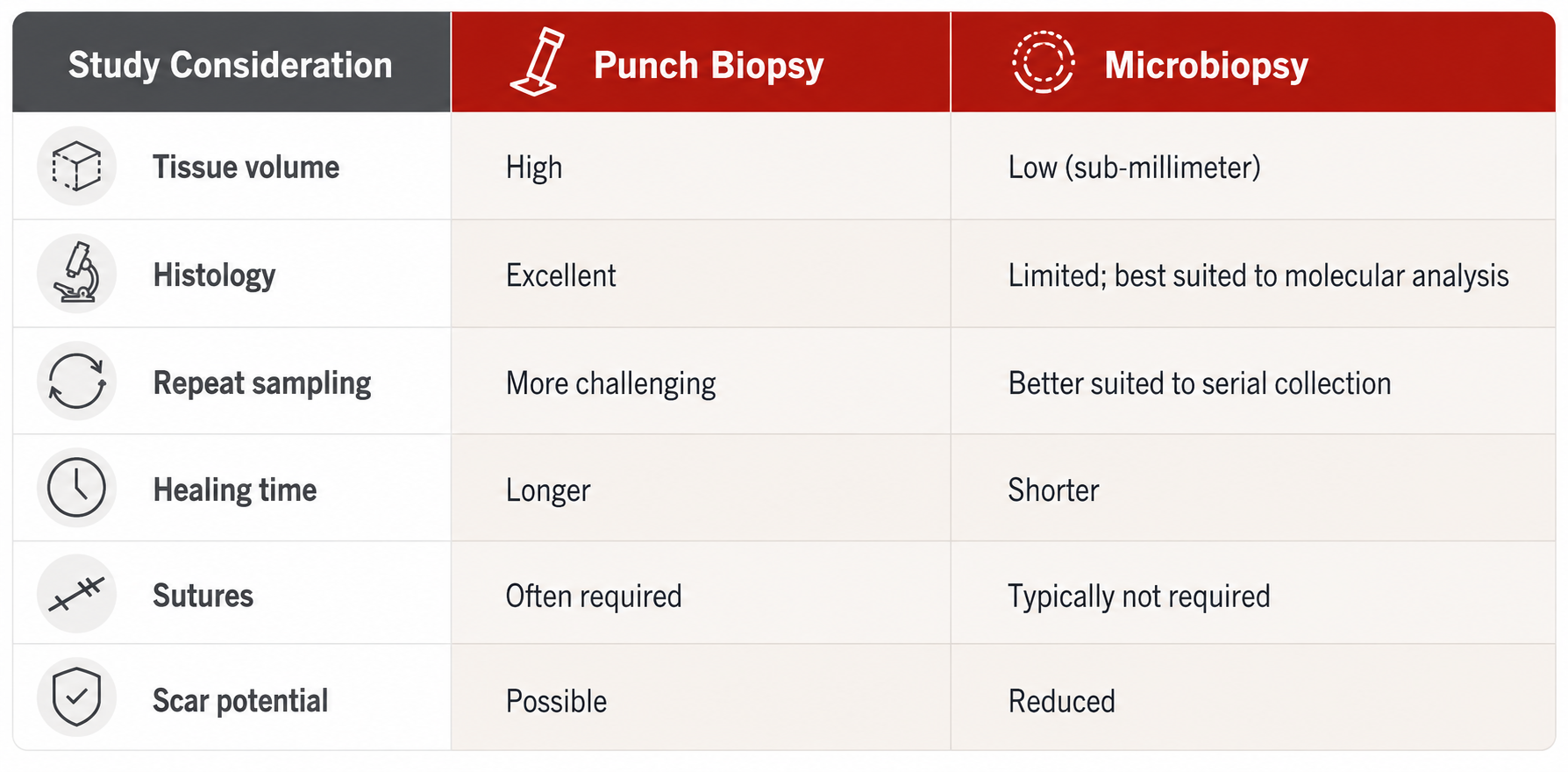
For researchers studying treatment response, disease progression, or molecular changes, the ability to collect samples at multiple time points can be an important consideration.
Emerging Alternatives for Skin Sample Collection
As research needs to expand, new skin sampling approaches are being explored. The appropriate method depends on the scientific objective, required sample type, and downstream analysis.
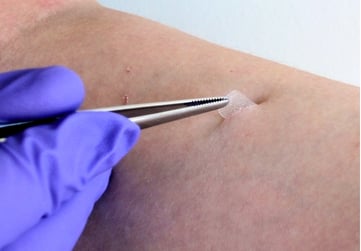
Tape Stripping
Tape stripping collects superficial layers of the skin and is commonly used to study surface biomarkers, barrier function, and the effects of topical treatments.
It is non-invasive and well suited to repeated sampling. However, it captures only the outermost skin layers and is not appropriate when deeper tissue architecture is needed.
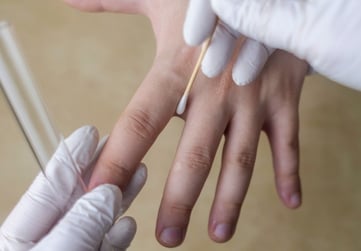
Swab-Based Sampling
Skin swabs provide a non-invasive approach for collecting surface material and are frequently used in microbiome research and certain molecular analyses.
They are fast and have low participant burden but yield limited tissue material and are generally unsuitable for studies requiring cellular or structural detail.
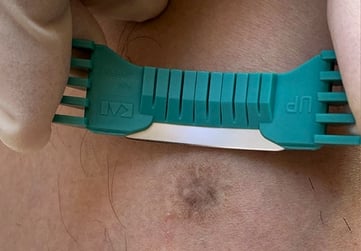
Shave Biopsy
Shave biopsy collects superficial skin tissue and may be appropriate for applications where deeper tissue architecture is not required.
It can provide a middle ground between surface sampling and full-thickness punch biopsy, although it still involves a procedural step and some healing time.
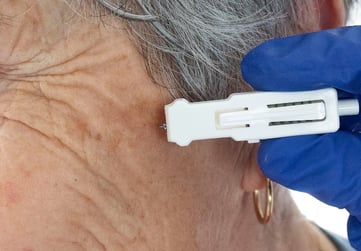
Microbiopsy
Microbiopsy represents a minimally invasive approach designed to collect very small tissue specimens while reducing disruption to surrounding tissue.
It is increasingly being explored for applications where researchers need molecular-level information without the tissue volume or healing burden associated with punch biopsy.
Where Microbiopsy Fits in Modern Skin Research
Microbiopsy approaches are designed around a different research need: obtaining targeted tissue samples while minimizing participant burden. Unlike traditional punch biopsy, microbiopsy focuses on sub-millimeter sample collection, making it particularly relevant for studies requiring:
-
Repeated sampling over time
-
Multiple collection sites
- Molecular analysis from small tissue samples
- Improved participant experience
Despite their small size, microbiopsy samples can support advanced analytical techniques, including RNA sequencing, transcriptomics, proteomics, and other biomarker analyses.
This makes microbiopsy an attractive option for research areas where understanding molecular changes over time is more important than collecting large tissue volumes.
One example is the Harpera™ Microbiopsy Punch, designed to collect small skin samples for research applications while minimizing tissue disruption. Harpera supports studies focused on molecular analysis, biomarker discovery, and longitudinal skin research where repeated sampling may provide valuable insights.
Choosing the Right Skin Sampling Method
There is no single sampling method that is ideal for every research application. The best approach depends on the scientific questions being asked.
Consider the following when selecting a sampling method:
Do you need full-thickness tissue architecture?
If the primary goal is histopathology or evaluation of structural relationships between tissue layers, traditional punch biopsy may remain the preferred approach.
Are you studying molecular changes?
For applications such as RNA sequencing, transcriptomics, or biomarker discovery, smaller tissue samples may provide sufficient biological information while reducing sampling burden.
Do you need repeated sampling?
When study designs require monitoring changes over time, minimally invasive approaches may offer advantages by enabling serial sample collection.
Do you need multiple sampling locations?
For studies comparing different areas of skin, multiple sampling sites may provide a more complete understanding of biological variability.
How important is participant comfort?
Reducing discomfort, healing time, and procedural complexity can support recruitment, retention, and overall study feasibility.
Advancing Skin Research Through Smarter Sampling Approaches
Punch biopsy remains an important and valuable tool in dermatology research. However, advances in molecular technologies and evolving study designs are expanding the range of available sampling approaches.
The goal is not to replace punch biopsy altogether. Instead, researchers can select the sampling approach that best aligns with their specific objectives.
For researchers investigating biomarkers, molecular signatures, treatment response, and longitudinal changes, minimally invasive methods such as microbiopsy provide new opportunities to collect meaningful biological information while reducing participant burden.
If you would like to explore how the Harpera Microbiopsy Punch supports minimally invasive skin sampling for molecular research and longitudinal study designs visit our resource library by clicking here.

No Comments Yet
Let us know what you think